The Plateau by Maggie Paxson
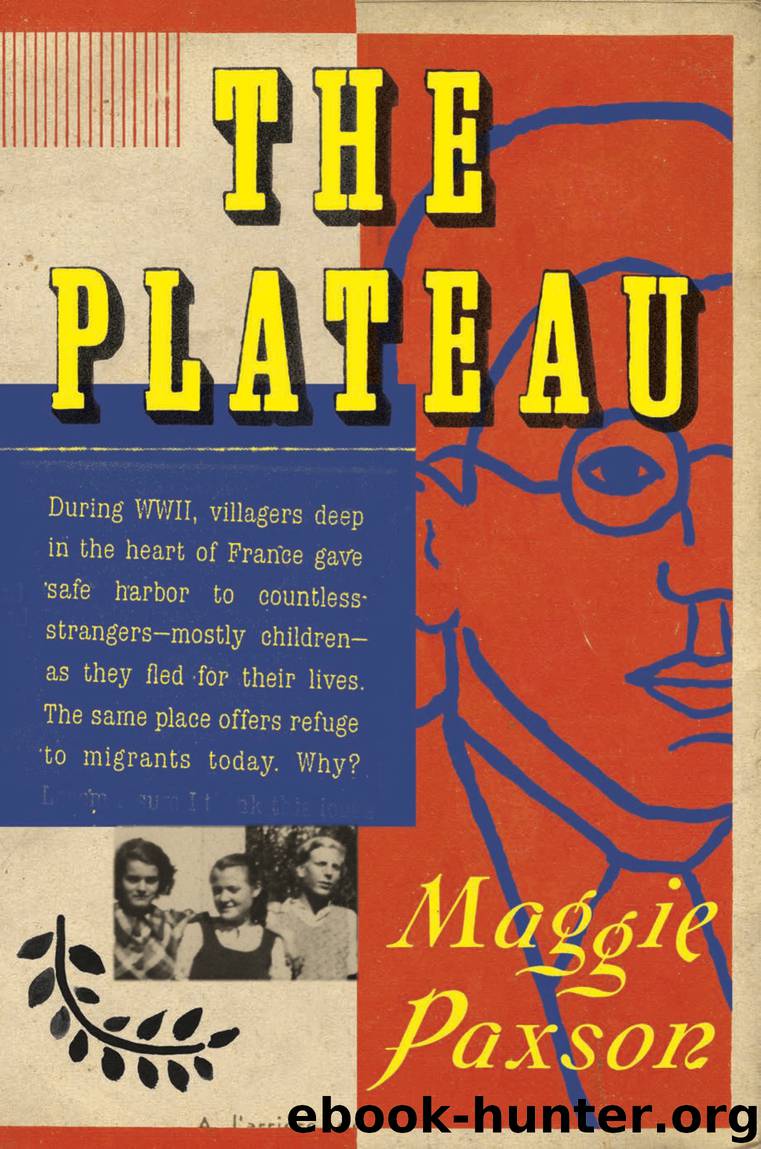
Author:Maggie Paxson
Language: eng
Format: epub
Publisher: Penguin Publishing Group
Published: 2019-08-12T16:00:00+00:00
* * *
I’d never seen a dead body until I lived in Russia. Unless my eyes deceived me, that first body was frozen solid. I was speeding down the highway coming from the airport, and it was being carried horizontally out of a pine forest, blue-gray and stiff, as if it were a ladder, or a life-size, frozen paper doll.
The second dead body I saw was in the Russian village itself, during fieldwork. An old woman had died one white winter’s day, and, as was the custom, she had been laid out in a rough-hewn casket in the icon corner of her log cabin. Villagers, all puffy and round in their cotton padded work coats, fur hats, and boiled wool boots, crowded in to see her lying there. I remember the side conversations about how a truck was coming by with salami to sell. I remember her round little frame, her waxy little face. And how, after a time, her casket was, according to ritual, driven off to the graveyard a few kilometers away. That, to keep the dead woman’s soul from flying back and haunting us all.
I was late, in life, then, to death. From childhood, I didn’t like the dark, and I didn’t like the night, and I felt spaces keenly, and worried about ghosts. And I didn’t grow up, like so many, in a land of war or hunger. And I never had a big, teeming family where lives would come and go. Or a religious tradition that thinks much of our waxy remains.
But in that Russian village, death seemed to be everywhere. So I had to just deal with it. And study it. I couldn’t wake up and go to the bathroom at night without, once in a while, passing a frozen sheep head on the floor, in all its horned glory, tongue sticking out. There were dead animals: the gentle dog that had been shot for rummaging in the garbage; the dead lamb we ate, named Frederick; dead fish heads, floating in soup. There were dead people, yes, from accidents, or age, or suicide, or murder. And, with more heft and longevity, really, there were dead souls, too, in the form of ghosts and other creatures of the invisible realms—ones that you’d visit in graveyards on windy days, or talk with in your home or barn or bathhouse. And so I, like any anthropologist, however reluctant or squeamish, started learning the contours of how the dead lived among us, right then, right there: how—though gone from the visible world—they could be loving and capricious, both; how they had responsibilities toward the living, jobs to do.
In the Russian village, there were the ghosts that people saw of the recent dead, right there in the forest where the tree had fallen and killed them. There were those they saw in dreams, as admonishers. Right within the house, there were capricious invisible beings, known as domovye, who would play tricks on people, and demanded gestures of respect. There
Download
This site does not store any files on its server. We only index and link to content provided by other sites. Please contact the content providers to delete copyright contents if any and email us, we'll remove relevant links or contents immediately.
| Anthropology | Archaeology |
| Philosophy | Politics & Government |
| Social Sciences | Sociology |
| Women's Studies |
The Great Music City by Andrea Baker(33662)
Cecilia; Or, Memoirs of an Heiress — Volume 1 by Fanny Burney(32723)
Cecilia; Or, Memoirs of an Heiress — Volume 2 by Fanny Burney(32089)
Cecilia; Or, Memoirs of an Heiress — Volume 3 by Fanny Burney(32066)
We're Going to Need More Wine by Gabrielle Union(19171)
All the Missing Girls by Megan Miranda(16719)
For the Love of Europe by Rick Steves(14917)
Pimp by Iceberg Slim(14796)
Bombshells: Glamour Girls of a Lifetime by Sullivan Steve(14219)
Norse Mythology by Gaiman Neil(13571)
Talking to Strangers by Malcolm Gladwell(13554)
Fifty Shades Freed by E L James(13352)
Mindhunter: Inside the FBI's Elite Serial Crime Unit by John E. Douglas & Mark Olshaker(9526)
Crazy Rich Asians by Kevin Kwan(9420)
The Lost Art of Listening by Michael P. Nichols(7622)
Enlightenment Now: The Case for Reason, Science, Humanism, and Progress by Steven Pinker(7430)
The Four Agreements by Don Miguel Ruiz(6914)
Bad Blood by John Carreyrou(6731)
Weapons of Math Destruction by Cathy O'Neil(6469)
