The Ideological Origins of the American Revolution by Bernard Bailyn
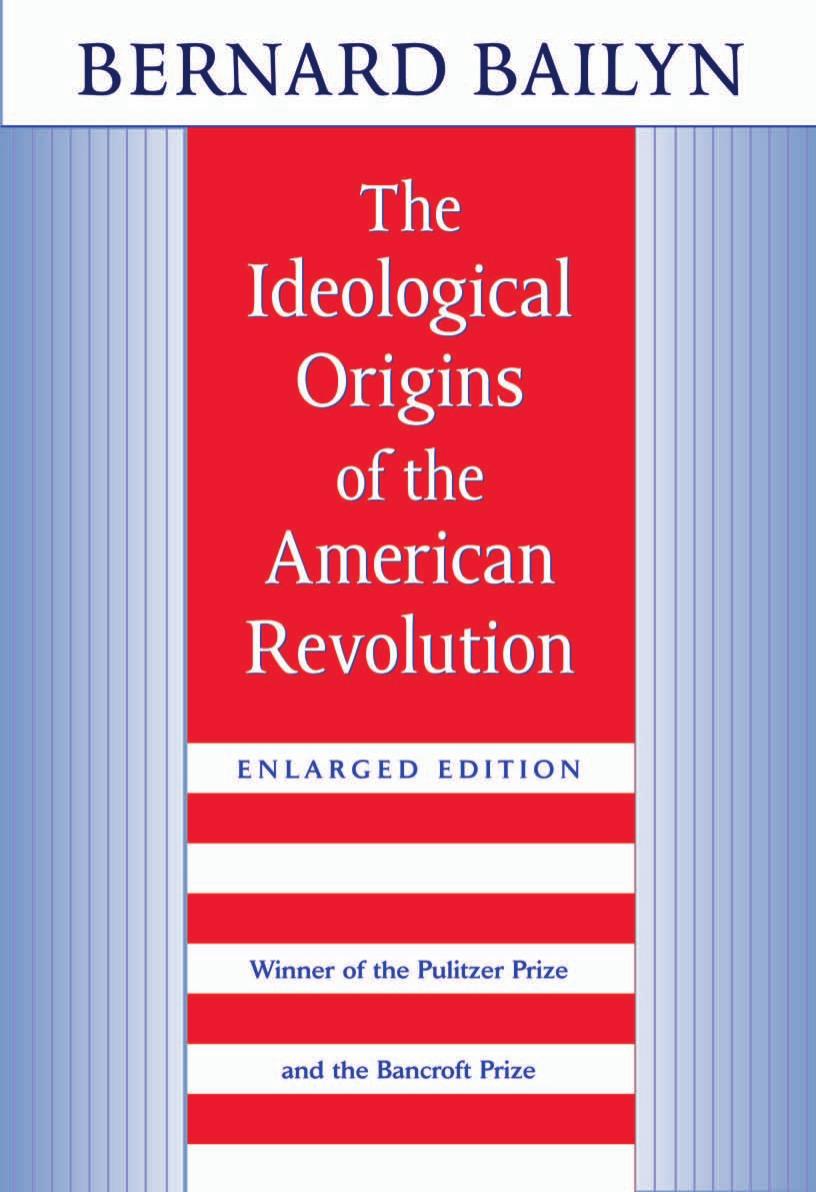
Author:Bernard Bailyn
Language: eng
Format: azw3, epub, pdf
ISBN: 9780674977877
Publisher: Harvard University Press
Published: 2017-04-19T04:00:00+00:00
But the other colonies were not entirely dependent on New England models. Acting independently, in response to needs similar to those that had motivated the Massachusetts codifiers, they too drew up, on various occasions, their own formulations of rights. The ill-fated “Charter of Liberties and Privileges” passed by the first General Assembly of New York in 1683, contained not only “the outlines of a constitution for the province” but a “bill of rights” as well. Even more elaborate, and explicit, were the provisions of the “Rights and Privileges of the Majesty’s Subjects” enacted eight years later, in 1691, by the same body. This remarkable statute, objected to in England because of its “large and doubtful expressions” and disallowed there, listed the rights of the individuals in the form of a series of categorical prohibitions on government: the individual was to be free from unlawful arrest and imprisonment, arbitrary taxation, martial law and the support of standing armies in time of peace, feudal dues, and restrictions on freehold tenure; in addition, he was guaranteed due process of law, especially trial by jury, and, if Protestant, full liberty to “enjoy his or their opinion, persuasions, [and] judgments in matters of conscience and religion throughout all this province.”37
But, again, it was William Penn who saw farthest and accomplished the most. His “Laws, Concessions, and Agreements” for the province of West New Jersey, which he drafted probably in collaboration with Edward Byllynge and published in 1677, provided not only for the distribution of land and the organization of government but also, and in great detail, for “the common laws or fundamental rights and privileges” of the inhabitants. The central purpose of this remarkably enlightened document was, in fact, to state, so that they might be known and be preserved intact in the New World, “such liberties as were guaranteed by law for the good government of a people, in accord with, as near as conveniently might be, ‘the primitive, ancient, and fundamental laws of the people of England.’” Most explicit of all were Penn’s statements of rights and privileges in the provisions he made for his own province of Pennsylvania. In his original Concessions and in his Frames of Government, but even more in the so-called “Laws Agreed upon in England” and in the Charter of Liberties and the Charter of Privileges, he laid out, point by point, the rights, duties, and proper regulations of “every phase of human life, civil and social.”38
By no means all of these documents were bills of rights as we know them. Most of them were not thought of as defining rights antecedent to government and law, rights to which government and law must accommodate themselves. The most common assumption behind them was, rather, that these were rights that the law — English law if not colonial — already provided for and that were now being compiled simply to make them better known and more readily available for reference in a wilderness environment. Presumed to be neither “basic” in
Download
The Ideological Origins of the American Revolution by Bernard Bailyn.epub
The Ideological Origins of the American Revolution by Bernard Bailyn.pdf
This site does not store any files on its server. We only index and link to content provided by other sites. Please contact the content providers to delete copyright contents if any and email us, we'll remove relevant links or contents immediately.
The Secret History by Donna Tartt(19111)
The Social Justice Warrior Handbook by Lisa De Pasquale(12197)
Thirteen Reasons Why by Jay Asher(8921)
This Is How You Lose Her by Junot Diaz(6894)
Weapons of Math Destruction by Cathy O'Neil(6286)
Zero to One by Peter Thiel(5808)
Beartown by Fredrik Backman(5769)
The Myth of the Strong Leader by Archie Brown(5513)
The Fire Next Time by James Baldwin(5456)
How Democracies Die by Steven Levitsky & Daniel Ziblatt(5225)
Promise Me, Dad by Joe Biden(5159)
Stone's Rules by Roger Stone(5091)
A Higher Loyalty: Truth, Lies, and Leadership by James Comey(4967)
100 Deadly Skills by Clint Emerson(4935)
Rise and Kill First by Ronen Bergman(4797)
Secrecy World by Jake Bernstein(4756)
The David Icke Guide to the Global Conspiracy (and how to end it) by David Icke(4724)
The Farm by Tom Rob Smith(4517)
The Doomsday Machine by Daniel Ellsberg(4493)
