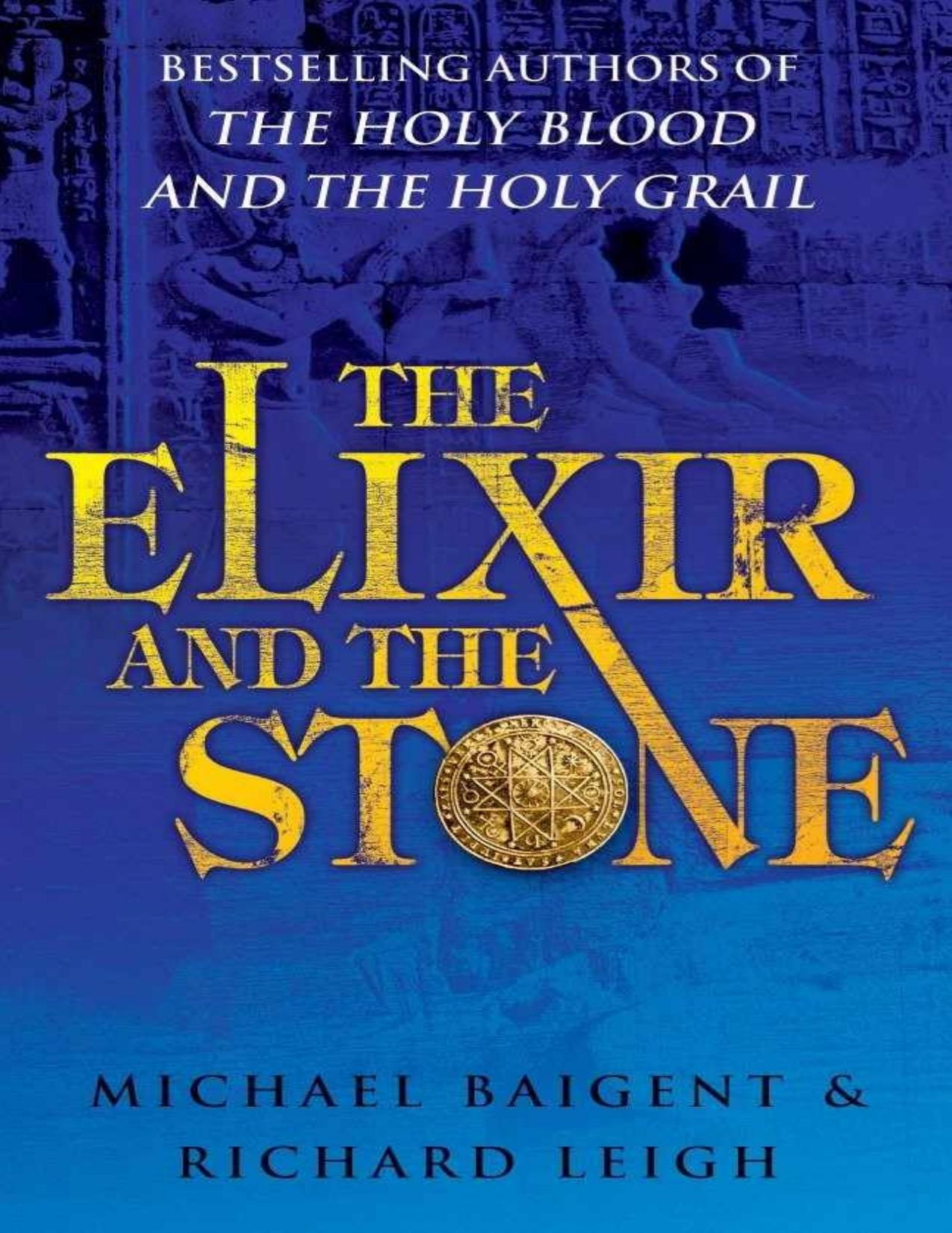
The Elixir and the Stone by Michael Baigent
Author:Michael Baigent
Language: eng
Format: epub, pdf
ISBN: 9781448183401
Publisher: Random House
Marlowe admires, indentifies himself with and projects himself into his protagonist. In effect, Faustus is, for Marlowe, a species of romanticized and idealized self-portrait â a mirror image of how he saw, or wished to see, himself. Faustus reflects Marloweâs own âovervaulting ambitionâ, Marloweâs own antinomian disdain for the restrictions on knowledge imposed by Judaeo-Christian theology and morality.
But the stage for which Marlowe wrote was a popular medium, like the films issuing from Hollywood today. And while Protestant England was eager enough to lampoon Catholicism and the Pope, it was still sufficiently pious in its Christianity to recoil from a pact with âunclean powersâ. This placed Marlowe in a position analogous to that of scriptwriters and directors in the cinema of, say, the 1950s â obliged to observe the prevailing moral codes and taboos, to provide an ethically acceptable ending, to ensure that audiences went away with the approved message of vice punished and virtue rewarded. In consequence, Dr Faustus adheres fairly closely to the standard English translation of the Faust story published in 1587. By the tenets of established morality, Faustus must, of necessiry be damned. If the Renaissance magus was to be depicted on stage at all, it would have to be in less controversial, less subversive and more benevolent guise.
Many commentators, including the authors of this book, are prepared to see Prospero, in The Tempest, as a portrait of John Dee. Indeed, it is now widely accepted that Dee was Shakespeareâs model for Prospero.78 Given his association with Burbageâs theatre and with the Earl of Leicesterâs company of actors, it would have been virtually impossible for the playwright not at some point to have come into contact with the magus.79
Earlier in his career, in As You Like It, Shakespeare had enunciated the Hermetic correspondence between the theatre and the world, between the artist and the Creator, as the correspondence between microcosm and macrocosm:
All the worldâs a stage,
And all the men and women merely players:
They have their exits and their entrances,
And one man in his time plays many parts.80
Download
This site does not store any files on its server. We only index and link to content provided by other sites. Please contact the content providers to delete copyright contents if any and email us, we'll remove relevant links or contents immediately.
Becoming Supernatural by Dr. Joe Dispenza(8225)
Crystal Healing for Women by Mariah K. Lyons(7934)
The Witchcraft of Salem Village by Shirley Jackson(7280)
Inner Engineering: A Yogi's Guide to Joy by Sadhguru(6799)
The Four Agreements by Don Miguel Ruiz(6770)
The Power of Now: A Guide to Spiritual Enlightenment by Eckhart Tolle(5790)
Secrets of Antigravity Propulsion: Tesla, UFOs, and Classified Aerospace Technology by Ph.D. Paul A. Laviolette(5374)
The Wisdom of Sundays by Oprah Winfrey(5166)
Room 212 by Kate Stewart(5130)
Pale Blue Dot by Carl Sagan(5013)
Fear by Osho(4743)
The David Icke Guide to the Global Conspiracy (and how to end it) by David Icke(4723)
Animal Frequency by Melissa Alvarez(4476)
Rising Strong by Brene Brown(4467)
How to Change Your Mind by Michael Pollan(4360)
Sigil Witchery by Laura Tempest Zakroff(4250)
Man and His Symbols by Carl Gustav Jung(4140)
Real Magic by Dean Radin PhD(4134)
The Art of Happiness by The Dalai Lama(4133)
